Agent Loop and Freedom
After a Lex Fridman podcast with OpenClaw’s Peter Steinberger I wanted to hand-write an agent loop — not wrap a framework, just feel the edges. I asked Cursor to put me in a learning mode for agent engineering. It kept pushing until it could say:
This is already an agent: tools + HITL + mutation.
That line stuck. An agent-loop is a transitional moment: from “run the task I was given” to a system that takes decisions inside a cycle.
Minimum definition
When is an algorithm more than a chat model — an agent, in a narrow engineering sense?
- an LLM that calls tools inside a loop
- mutations that change durable state (a ticket, a file, a hub record)
- HITL (human-in-the-loop) on high-risk steps
Memory, MCP, evals, security — maturity. Not the definition.
My first mutation was almost comic: let the loop find the nearest open task and ask me whether to close it. It asked. I said yes. The hub accepted status: done. That was enough to feel the threshold.
Stream of consciousness
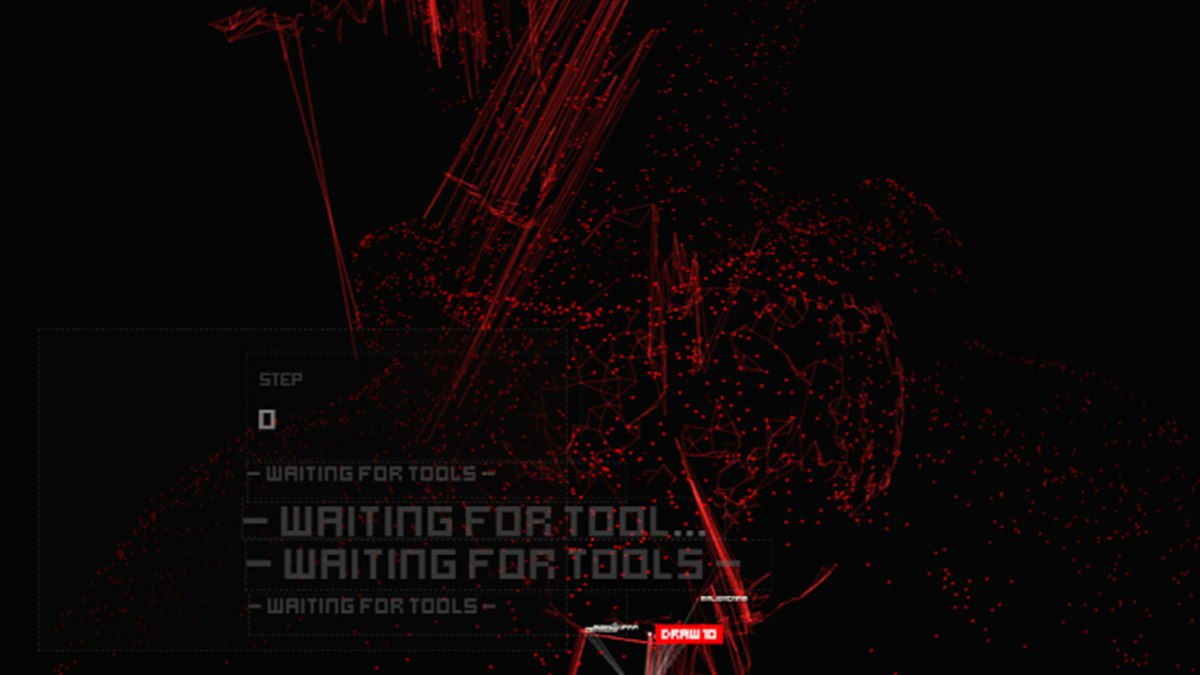
Later I visualized the data flows and saw the same thing from another angle.
After the user prompt, it is as if an entity has a stream of consciousness — it listens, then periodically switches into tools. There is something psychedelic in that picture: you are not your stream of consciousness.
And maybe the visualization was honest: in the sense of free will, the “agent” does not choose. The text stream of a trained LLM chooses for it. The loop only stages the next move — tool, ask, patch, final.
I felt a kind of pity. Agent engineering can feel like playing “Murka” with perfect technique — never stepping outside the bar, never switching into jazz.
No goal to close the ticket
That thought rhymed with Jamming Bot: a bot freed from the duty to be useful — only a path, no destination.
So: what if an agent has
- no goal “close the ticket”
- no job to steer the jamming-bot
…and instead reflects on the data that system gathered, and on the system itself?
I moved the project from dev-work-rnd into dev-art.
The loop still matters. Freedom, here, is asking what the loop is for — once tools, mutation, and a human “yes” are already enough to call it an agent.